
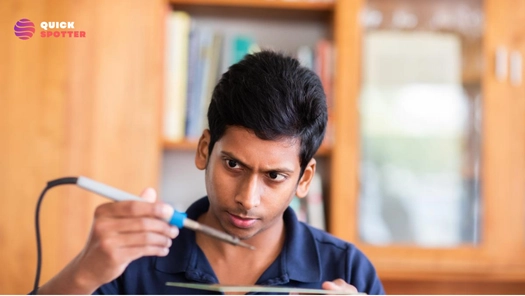
India’s higher education system is at a turning point, and it’s more important than ever to boost graduate employ-ability. Every year, millions of young graduates enter the job market, making the gap between what they learn in school and what they need to know for work even more important. To increase the chances of graduates getting jobs, India needs to change its old-fashioned education system into one that focuses on skills and new ideas.
Many graduates are having trouble finding jobs that match their skills right now. This is not because they don’t know enough, but because their courses are out of date and they don’t get enough practice. This is where a change in the way education is taught can have a big effect.
India Needs to Make Graduates More Employable Right Away
A NASSCOM report from 2024 says that India graduates almost 10 million students every year, but only about half of them are considered employable. This gap in employ-ability has made both policymakers and businesses looking for qualified candidates very worried.
The country’s demographic advantage—a young and dynamic workforce—can only become a true strength if institutions improve graduates’ chances of getting jobs by using modern teaching methods, hands-on learning, and skill-building programs that are useful in the real world.
Experts say that to meet global standards, universities need to include digital literacy, critical thinking, and problem-solving in their classes. The goal should be to increase the chances of getting a job after graduation by making sure that every degree leads to real job opportunities.
Bridging the Gap Between School and Work
One of the biggest problems with India’s education system is that what students learn in school doesn’t match what employers need. Universities often focus more on theory than practice, which means that students aren’t ready for real-world problems.
To really help graduates employ-abilitys, it needs to be normal for schools and businesses to work together. Companies can help with the curriculum, give guest lectures, and set up joint certification programs.
For example, partnerships between IT companies and engineering colleges have already made technical graduates more ready for work. This is a model that can be used in other fields as well.
The Importance of Skill Development and Internships
Skill development is still the most important thing to do to “boost graduate employ-ability” in India. Universities need to add real-world modules to their classes. Programs like Skill India Mission and Atal Innovation Mission already stress this, but there needs to be more cooperation with higher education.
Students can get a taste of what it’s like to work by doing internships, apprenticeships, and live projects. To make sure that students are ready for anything, schools should require internships in all fields, not just engineering or management.
Soft skills like being able to talk to others, work as a team, and change are just as important. Training programs that teach students about leadership, creativity, and digital tools can help them employ-abilitys after graduation and make them competitive on a global scale.
Working Together Between the Government and the Private Sector
The Indian government has done a good job of trying to make it easier for graduates to find jobs. For example, the National Education Policy (NEP) 2020 encourages students to learn in a variety of ways and gives teachers more freedom to design their courses. The NEP supports important changes like courses that are based on credit, skill certification, and online learning platforms.
But the private sector is just as important. Big tech companies like Infosys, TCS, and Google have worked with universities to create skill-based curricula that fill the gap between what students learn in school and what they need to know for their jobs.
When government policies and business partnerships work together, they can make an education system that really boost graduate employ-ability while also encouraging innovation, entrepreneurship, and lifelong learning.
Conclusion
India is on the verge of a change in education. The country can “boost graduate employ-ability” and get its young people ready for global opportunities by focusing on skill development, working with businesses, and using modern teaching methods.
A strong, employable workforce is the basis for a strong economy, and the first step toward that goal is to rethink higher education.
India can not only boost graduate employ-ability but also change the way people work in the 21st century if it has the right policies, partnerships, and mindset.
Read more exciting stories on Quick Spotter